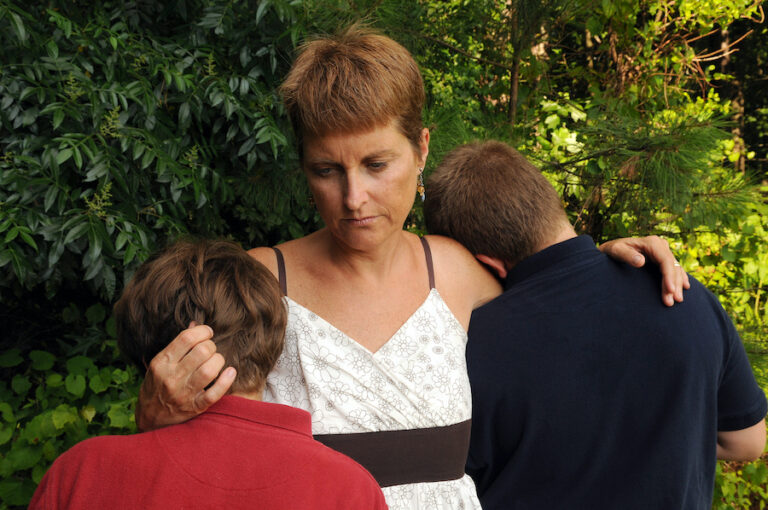
Unless they’ve experienced it themselves, most people don’t know what happens after the funeral is over and mourners return to their lives. A recent article from San Francisco Bay Times, “Probate in a Nutshell,” explains how the probate process works.
Probate is the legal process of administering the estate of a deceased person. It includes transferring assets of the decedent to their heirs, beneficiaries, or creditors. Probate is court-supervised and can be a lengthy, complex and often stressful experience, depending in part on the complexity of the estate and the jurisdiction.
Probate starts with filing the last will and testament in the court and appointment of an executor. If there is no will, then the court appoints an administrator to handle the estate. The executor or administrator gathers the assets, pays debts, and taxes and distributes the remaining assets according to the terms of the will. If there is no will, the laws of the state determine, usually by kinship, how the assets are distributed.
The New City probate process can take months or years to complete. During this time, the executor or administrator must keep careful records of all transactions. They must also file tax returns for the last year of the person’s life and diligently track all expenses and income of the estate.
Once the probate process is completed, the executor or administrator must file a final report with the court. This report must include all financial transactions. The probate court then reviews the report and determines whether or not it approves all transactions. Only then can assets be distributed to beneficiaries. Read more about the probate process in our article, What Is Probate Court?
Why is probate so complex and time-consuming? First, it takes time to complete an inventory of someone’s property, including real estate, bank accounts, investment accounts, artwork, vehicles, jewelry and tangible assets. The asset list also includes life insurance policies, pensions, annuities, and other assets the person owned.
A professional appraiser may be needed to determine the value of assets. The executor must also gather proof of ownership for all these assets, such as deeds or titles.
Any debts or liabilities must also be identified, including credit cards, loans, mortgages, liens, and outstanding debts. Finally, taxes must be reviewed: income tax, property tax, estate tax, or gift tax.
Finally, a complete list of all estate beneficiaries must be prepared, including family members, friends, or others who may be named in the will. Contact information will be required for all.
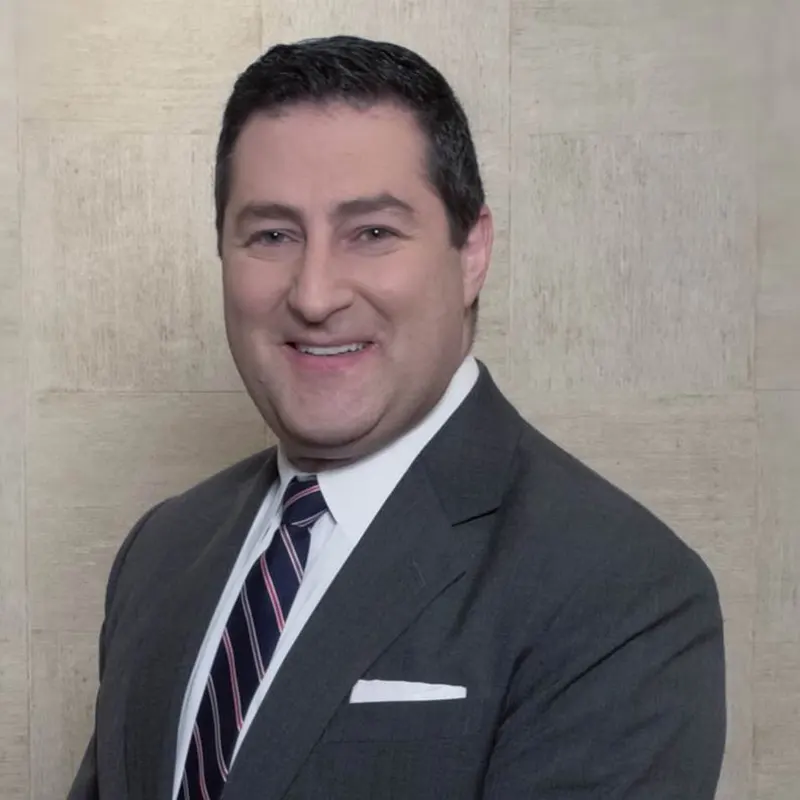
Many complications can arise during probate. This is why many people take the time to have an experienced estate planning attorney create an estate plan to remove assets from the probate estate through trusts, gifts and other estate planning strategies. Of course, estate administration still needs to take place after someone dies. However, having an estate plan can minimize the court’s involvement, cut down on delays and avoid unnecessary expenses. If you're ready to get started on creating a customized estate plan to help you avoid probate, schedule an initial call with New City Probate Attorney David Parker. If you are currently managing the affairs of a loved one who recently passed, we offer what's called ProbateZIP, an expedited service for those who have uncontested estates in New York.
Reference: San Francisco Bay Times (April 4, 2023) “Probate in a Nutshell”
The 15 minute initial phone call is designed as a simple way for you to get to know us, and for our team to learn more about your unique estate planning needs.


222 Bloomingdale Rd #301,
White Plains, NY 10605
120 North Main Street, Suite 203,
New City, NY 10956